- Home
- Customer Information
- Helpful Brochures
- Water Conservation
Water Conservation
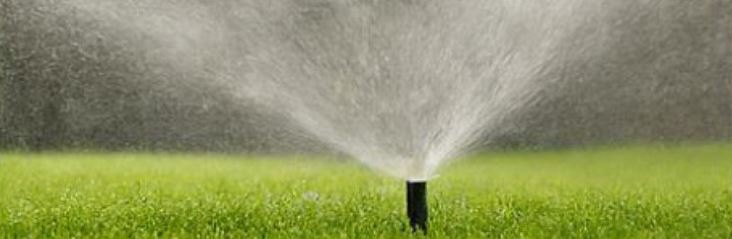
Tips for Watering Your Lawn Effectively
Creating and maintaining a beautiful landscape doesn't have to mean wasting our most valuable resources and draining your bank account. If you step on the lawn and the grass springs back, it doesn't need to be watered. Over-watering can lead to a higher water bill, increased fertilizer and pesticide use, and runoff that pollutes local waterways.
By adopting some simple and proven watering practices, you can maintain a lush and healthy lawn while significantly reducing water waste, lowering your water bill and supporting a more sustainable environment.
Click here to view and download the PDF version. Click the tips below for more details and helpful links.
Set your lawnmower blades to be 2–3 inches high when mowing. Taller grass provides shade to the soil, and helps soil retain moisture and fight droughts.
Grass clippings contain 80 to 85% water and decompose quickly when left on the lawn, assisting in keeping moisture in the soil longer and reducing watering needs.
Early morning (between 4–8 am) is the best time to water. It minimizes evaporation and allows the grass to absorb moisture efficiently.
✖ Avoid watering in the afternoon when the sun is strongest or in the evening, as excess moisture can lead to fungal growth and it wastes water.
Instead of daily light watering, water deeply 1–2 times per week to encourage deep root growth.
Aim for no more than 1–1.5 inches of water per week, including rainfall. You can measure this with a rain gauge or by placing a small container in your yard to track water accumulation.
Collecting rainwater is simpler than you might think! Just redirect your gutters to flow into a large bin or a rain barrel. The City of Valparaiso's MS4 coordinator runs an active rain barrel program. To know more, please click here.
Drip irrigation or soaker hoses can deliver water directly to the roots and reduce evaporation.
- Sprinkler systems should be adjusted to avoid watering sidewalks, driveways, or other non-landscaped areas.
- Use a rain sensor or weather-based irrigation controller to shut off the sprinkler in rainy weather to prevent unnecessary watering.
- Aerate the soil to improve water absorption and reduce runoff
- Apply mulch around plants and garden beds to retain moisture and reduce evaporation.
- Choose drought-resistant grass varieties that require less water.
Regularly inspect hoses and irrigation systems to avoid water waste.